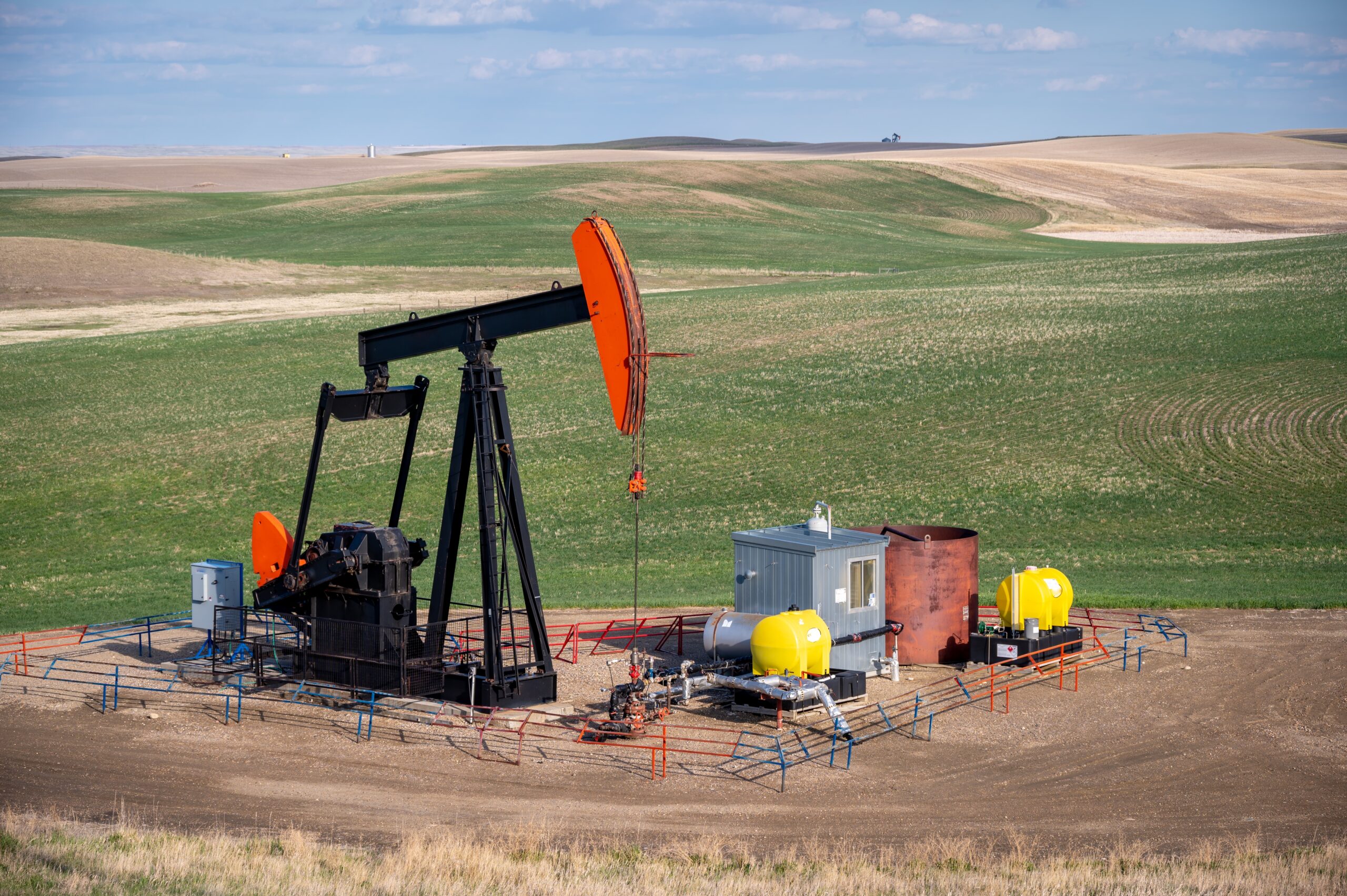
Canada's oil and gas sector enters 2026 with a complex mix of opportunity and uncertainty. Drilling activity is rising modestly, with the Canadian Association of Energy Contractors projecting an average of 213 active drilling rigs — up from 201 in 2025 — and approximately 5,709 wells expected to be drilled across Western Canada. New export infrastructure, including the Trans Mountain Expansion pipeline and the launch of LNG Canada operations in British Columbia, is opening doors to Asian markets and reducing the industry's dependence on U.S. buyers.
Yet the financial pressures facing small and mid-sized operators and oilfield service companies are just as real as the opportunities. Oil prices remain deeply volatile — geopolitical flashpoints such as the ongoing conflict involving Iran can cause prices to spike sharply, while oversupply concerns and softening global demand can just as quickly drag them back down. Government policy continues to rank as the top risk for the seventh consecutive year among industry survey respondents. And tariff uncertainty — though expected to ease as CUSMA negotiations progress — has added another layer of financial unpredictability throughout the first half of 2026.
In this environment, maintaining healthy cash flow is not just a competitive advantage — it is a matter of survival. That is where factoring comes in.
What Is Factoring?
Invoice factoring is a financing solution in which a business sells its unpaid invoices to a third-party company (called a "factor") in exchange for immediate cash. The factor advances a significant portion of the invoice value — typically 80 to 95 percent — within 24 to 48 hours. When the customer pays the invoice, the factor forwards the remaining balance, minus a small fee.
Crucially, factoring is not a loan. It does not create debt on a company's balance sheet, and approval is based on the creditworthiness of the company's customers — not the business owner's credit history. This makes it far more accessible than traditional bank financing, particularly for newer companies or those going through periods of rapid growth.
The Cash Flow Problem in Oil and Gas
The oil and gas industry in Canada is notorious for slow payment cycles. Large operators routinely impose net-30, net-60, or even net-90 payment terms on the smaller service companies they rely on — drillers, haulers, equipment suppliers, pipeline contractors, and more. In practice, those terms can stretch even further, meaning a small oilfield services company may complete a job in January and not receive payment until April.
Meanwhile, the bills don't wait. Payroll must be met weekly or biweekly. Fuel costs fluctuate daily. Equipment must be maintained, insured, and sometimes upgraded. New contracts require mobilization costs before a single dollar is earned. With tight margins, companies cannot afford to carry unpaid invoices for months at a time without an alternative source of working capital.
This gap between completing work and receiving payment is exactly the problem factoring is designed to solve.
Why Factoring Makes Particular Sense in 2026
Several factors make 2026 an especially appropriate time for Canadian oil and gas companies to consider factoring as part of their financial toolkit.
Price and margin pressure. Oil prices are caught between two forces in 2026 — geopolitical tensions, including the conflict involving Iran, that can drive sudden spikes, and persistent oversupply concerns that push prices back down. Natural gas prices remain relatively soft. The result is an unpredictable revenue environment where margins across the supply chain are squeezed. A company that might have weathered a 60-day payment delay in a stable price environment may struggle to do so when revenues are uncertain. Factoring provides a buffer, turning completed work into usable cash without waiting for the market to stabilize.
Increased activity demands working capital. The modest growth in drilling and service rig activity projected for 2026 means more companies will be taking on more contracts simultaneously. Taking on new business requires cash for labour, fuel, and materials up front — cash that can be tied up in unpaid invoices from previous jobs. Factoring allows companies to scale their operations by recycling capital quickly, rather than being held back by slow-paying clients.
Bank financing remains difficult to access. Traditional lenders remain cautious about energy sector exposure, particularly for smaller companies without long credit histories or substantial hard assets. Factoring sidesteps this barrier because the factor's primary concern is whether the client being billed — typically a large, creditworthy energy company — will pay the invoice. Small service companies that cannot qualify for a line of credit can often qualify for factoring within days.
Tariff and regulatory uncertainty. The first quarter of 2026 has been marked by ongoing uncertainty around U.S. tariffs on Canadian energy products. Even as these begin to ease, many businesses have had to burn through reserves to stay afloat during the uncertainty. Factoring provides a fast, reliable source of liquidity that does not depend on the policy environment.
Additional Benefits Beyond Cash Flow
Beyond solving the immediate problem of slow payments, factoring provides several secondary benefits that are especially valuable in a challenging operating environment.
Credit risk protection. Many factoring arrangements — particularly non-recourse factoring — protect the business if a client fails to pay due to insolvency. This is a meaningful safeguard when operating in a sector where the financial health of even mid-sized customers can shift quickly.
Reduced administrative burden. Factoring companies typically handle collections on the invoices they purchase, freeing up the business owner and their team to focus on operations rather than chasing payments.
Scalability. Unlike a fixed credit line, factoring capacity grows with revenues. The more invoices a company generates, the more working capital it can access — making it an ideal solution for companies riding the wave of increasing drilling activity in 2026.
No equity dilution. For privately owned oilfield service companies reluctant to bring in outside investors, factoring provides growth capital without surrendering ownership or control.
Choosing the Right Factoring Partner
Not all factoring companies are equally suited to the oil and gas industry. The best partners will have experience with the sector's specific invoice structures, understand the creditworthiness of major Canadian operators, and offer flexible terms that accommodate the variable pace of oilfield work. Companies should evaluate advance rates, fee structures, whether recourse or non-recourse terms are offered, and how quickly funds are made available.
The Bottom Line
Canada's oil and gas sector in 2026 rewards companies that can move quickly — seizing new contracts, mobilizing crews, and capitalizing on the expanding export infrastructure that is finally opening global markets to Canadian energy. That kind of agility requires reliable access to working capital.
Factoring won't solve every challenge facing the Canadian energy industry. But for small and mid-sized operators and oilfield service companies caught between rising opportunity and the slow grind of payment cycles, it offers a practical, debt-free way to keep cash flowing — and keep business moving forward.